Cut a beetroot in half and the first thing you notice isn't the smell, or even the earthy sweetness waiting on the other side. It's the colour a deep, almost improbable red-violet that stains the cutting board, your fingers, and the water it sits in, all within a few seconds. Long before beetroot became a smoothie ingredient with a health-food reputation, that colour alone was probably doing half the work of getting people interested in it.
Three jobs, one root
Most vegetables settle into a single identity. Beetroot has quietly held three.
As food, it turns up across Indian kitchens in more forms than its plain appearance suggests — grated into a kachumber salad, cooked down slowly into a rich beetroot halwa, folded into raita for both colour and a faint sweetness, or simply roasted whole until it collapses into something soft and slightly caramelised. Its earthiness pairs oddly well with sourness — a squeeze of lemon, a spoon of curd — which is probably why so many regional recipes reach for exactly that combination without anyone needing to explain why.
As colour, beetroot has a much older résumé than its supermarket shelf suggests. Before synthetic dyes were widely available, root vegetables like beetroot were among the natural materials used to tint fabric and food, valued for a red-violet shade that was genuinely hard to get from much else growing nearby. Even now, beetroot juice occasionally turns up as a natural food colourant, standing in for artificial red dye in everything from pasta to icing.
And as botanical inspiration, beetroot has a long, slightly informal history in beauty — the kind of trick passed between people rather than written into any single manual. A little crushed beetroot, rubbed onto lips or cheeks for a flush of natural colour, is one of those tricks that seems to have been discovered independently in more than one place, long before "beet-tinted" became an actual named shade on a cosmetics shelf.
What's actually in it
The colour comes from a group of pigments called betalains — the same family responsible for beetroot's dramatic red-violet, found in relatively few plants compared to the more common plant pigments most fruits and vegetables rely on. Beetroot is also naturally high in dietary nitrates, part of why it's become popular in sports nutrition circles, often credited with supporting blood flow and stamina. As with most single-ingredient claims, though, it's worth remembering that one root vegetable is rarely doing all the work on its own.
A small ritual worth trying
If beetroot only shows up in your kitchen as an occasional salad ingredient, one simple shift is worth trying: grate a small amount, raw, into a bowl of curd with a pinch of roasted cumin. It takes under two minutes, turns an ordinary bowl of raita a startling shade of pink, and is a good reminder of how much flavour and colour a small amount of beetroot can carry when it isn't buried under everything else on the plate.
Where Tattvam fits in
We reach for beetroot in two different forms. As food, there's Ruby Scoop, our spray-dried beetroot powder — a spoonful stirred into smoothies, juices or shakes for the same vivid colour and earthy character beetroot has always brought to a plate, without needing to peel or grate anything first.
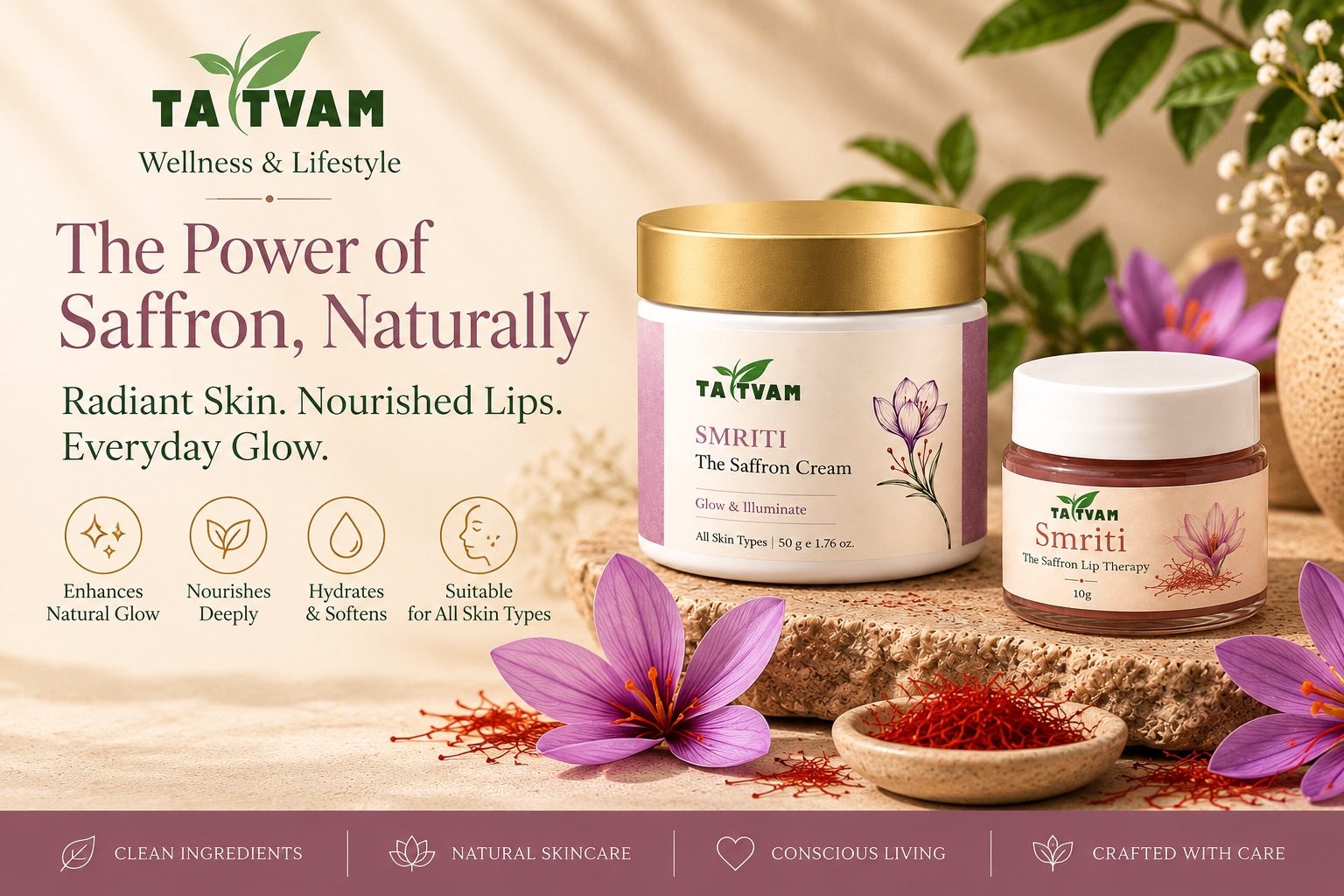
As skincare, there's Āruṇa, our beetroot cream and lip therapy, named for the crimson glow of first light and built around cold-pressed beetroot, supporting the skin's natural flush and micro-circulation.
Beetroot never really needed convincing anyone of anything. It just kept turning up — on the plate, in the dye pot, on someone's cheekbones — quietly proving its case in red.